Silicone Rubber Vs EPDM: Which Material Is Better For Seals?
Nov 12, 2026
For a gasket around an outdoor electrical cabinet, EPDM is often a good starting point. For a seal around a heated access panel, silicone rubber may be the better choice. If the seal sits in a hot-water line or sees regular steam exposure, a grade of EPDM rated for that service is often worth evaluating first.
The choice comes down to what reaches the gasket, how hot it gets at the sealing surface, and how the assembly holds the gasket in place.
Silicone Rubber vs EPDM at a Glance
| Service condition | Material to evaluate first | What to check |
|---|---|---|
| Outdoor cabinets and access covers | EPDM | Weather exposure, low-temperature flexibility and compression across the flange |
| Heated covers and dry-heat equipment | Silicone rubber | Continuous temperature at the gasket and recovery after heat aging |
| Hot water or steam | EPDM rated for the service | Fluid temperature, pressure and exposure duration |
| Cold starts or subzero operation | Silicone rubber | Flexibility and sealing contact at the lowest operating temperature |
| Petroleum oils or fuels | A compound rated for the specific fluid | Swelling, hardness changes and sealing performance after exposure |
Outdoor Seals for Cabinets and Equipment Covers
EPDM, short for ethylene propylene diene monomer rubber, is widely used for outdoor gaskets because it resists weathering, ozone and UV exposure. It is a practical starting point for electrical cabinet doors, inspection covers and equipment housings exposed to rain and sunlight. Silicone rubber also weathers well and is worth evaluating when the same seal must stay flexible through a wider temperature range.
On a cabinet door, the fit can matter as much as the compound. A gasket may be firmly compressed near the hinges and latch while barely touching the frame halfway along the door. Before changing materials, check the gap around the full perimeter with the door closed. That measurement helps determine the profile and thickness needed to maintain contact.
Dry Heat Favors Silicone. Hot Water and Steam Often Favor EPDM.
Silicone rubber is commonly selected for static seals around heated equipment because suitable grades retain flexibility over a broad temperature range. When specifying a gasket for a heated cover, measure or estimate the temperature where the gasket sits. The chamber setpoint may be quite different from the temperature at the flange. For equipment that heats and cools several times per shift, ask for compression set data after heat exposure. This gives you a basis for judging how much the gasket may stay flattened over time.
Hot water and steam call for a separate compatibility check. An EPDM compound rated for the service is often the first candidate for washdown equipment, hot-water fittings or steam-exposed seals. Give the supplier the fluid temperature, operating pressure and exposure duration. A gasket that sees a short cleaning cycle may need a different grade from one exposed to steam throughout the day.
Check What the Seal Will Touch
The fluid used during cleaning or maintenance can change the material choice. A cabinet gasket might see mostly rainwater but come into occasional contact with grease or hydraulic oil. EPDM generally has poor compatibility with petroleum oils and fuels, and standard silicone compounds vary in their suitability for hydrocarbon exposure.
If oil or fuel contact is expected, specify the exact fluid, temperature and frequency of exposure. For example, an occasional splash during maintenance and continuous contact in a pump housing place very different demands on the seal. Depending on the fluid and temperature, an oil-resistant nitrile or FKM compound may be a better candidate.
Choose the Gasket Construction as Well as the Rubber
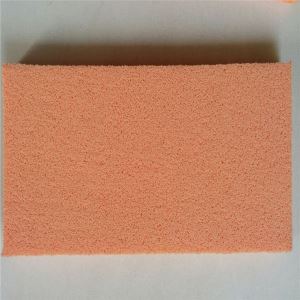
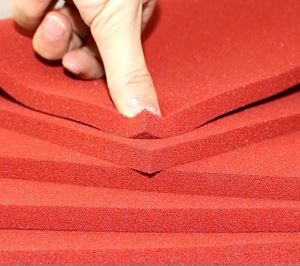
Both silicone and EPDM are available in solid and cellular forms. A compressible foam strip can suit a lightweight access cover with limited latch force. A solid gasket may be appropriate where rigid flanges and fasteners provide controlled clamping.
When replacing an existing seal, record the installed gap, gasket width and thickness, and how the cover is fastened. For solid rubber, ask for the hardness and relevant compression set data. For foam, ask how much force is needed to compress it to the installed gap. If you use an adhesive-backed strip, confirm that the adhesive can handle the temperature and cleaning conditions at the mounting surface.
For applications that need a foam gasket, the silicone foam sheet range includes materials to evaluate for different compression and sealing requirements.
Request Samples for Your Equipment
Start with EPDM for a weather-exposed cabinet and silicone rubber for a dry-heat equipment cover. For hot water, steam or oil exposure, confirm compatibility for the specific compound and service conditions before ordering. Where possible, test a gasket cut to the production shape so the trial includes corners, joints and the full distance between fasteners.
Eshine Rubber supplies silicone and EPDM products for industrial sealing. When requesting samples, share your drawing or gasket dimensions, operating temperature, installed gap and any fluids the seal will contact. Contact Eshine Rubber to discuss your application.